
Blood Pressure
Last week I explored the role of measurement in health and how, while measurements are important, they’re rarely the complete picture.
So in that vein I thought I’d take a look at one of the most common measurements taken, which is blood pressure.
What is blood pressure?
Blood pressure is the pressure created as blood circulates around the body. It’s the mechanism that ensures oxygen and nutrients reach every organ and tissue in the body.
Too high and, over time, it can damage blood vessels and increase the risk of conditions such as heart attack and stroke. Too low and the body may struggle to deliver enough blood to vital organs.
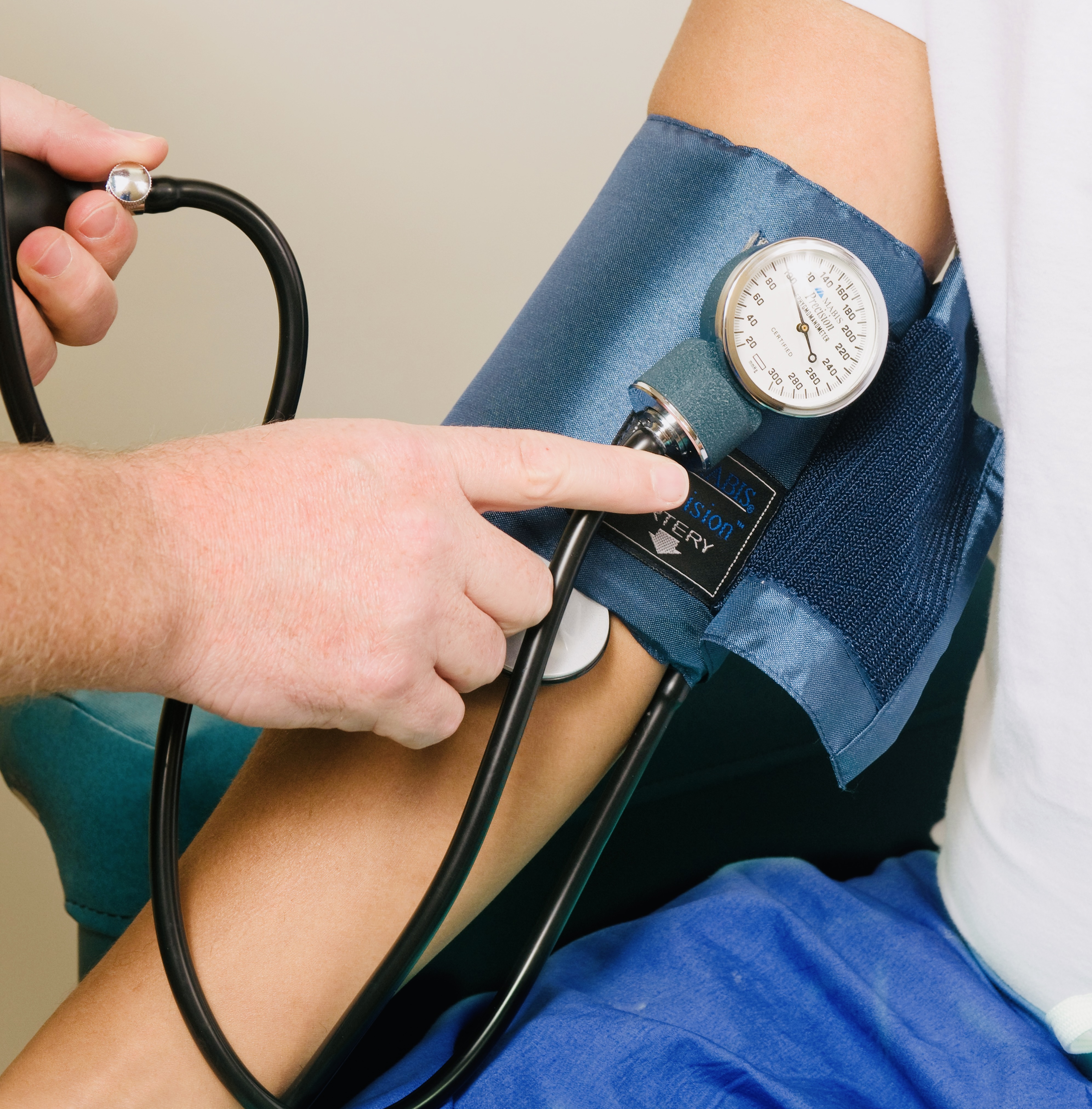
When it’s measured, the cuff that tightens around your upper arm has the effect of temporarily blocking the blood flow in your main artery, to measure the force of your blood under both contraction and rest:
Systolic is the pressure when the heart contracts and pumps blood around the body, the top number;
Diastolic, the bottom number, is the pressure when the heart relaxes between beats.
This provides a snapshot of how well the cardiovascular system is working at that point in time.
Like many things in physiology, it’s all about balance. Blood pressure isn’t fixed. It changes constantly in response to the body’s needs.
Maintaining a healthy blood pressure requires the heart, blood vessels, kidneys, nervous system and hormones to work together. When one or more of these is under strain, blood pressure can be one of the first things to change.
It is one of the simplest measurements we can take, and it can tell us a lot about how the body is working.
What’s changed?
For a long time, blood pressure was something checked during a visit to the GP and, in my experience, the measurement itself was rarely shared. Today, it’s possible to check it yourself, at home, track it, and monitor for patterns and changes.
Historically, much of the focus was on identifying high blood pressure and bringing it back within a healthy range. Lifestyle advice was part of the approach, but was often viewed as too-little-too late and lifestyle changes would inevitably run alongside long-term medication.
Our understanding of the factors that influence blood pressure has expanded considerably in recent years. Medication still plays a crucial role in managing serious blood pressure problems, but there is now more emphasis on looking at exercise, stress, sleep, hydration, diet and alcohol, and encouraging early lifestyle intervention before medication becomes necessary.
Many of these influences have been known for years but what’s changing is our understanding of why they matter, and how small changes and improvements can reap benefits later.
For example:
Sleep
One of the biggest shifts has been our understanding of sleep.
Blood pressure at night is often a better predictor of cardiovascular risk than a daytime reading. Healthy blood pressure usually falls by around 10–20% during sleep (called nocturnal dipping). People whose blood pressure doesn’t dip, or perhaps rises overnight, have a higher risk of cardiovascular disease. 24-hour ambulatory monitoring helps to better understand the overall risk to the patient by taking this predictor into consideration.
We’re also learning that it’s not just how long we sleep that matters for overall health, but how well we breathe while we’re asleep. Conditions such as obstructive sleep apnoea, which is much more common than we previously thought, are now recognised as important contributors to high blood pressure. With sleep apnoea, each time breathing stops, oxygen levels drop, triggering a response that elevates stress hormones, tightens the blood vessels, and strains the heart. Loud snoring, gasping, long pauses in breathing during sleep and even morning headaches can be suggestive of sleep conditions that could impact blood pressure.
Alcohol
Our understanding of alcohol has evolved too.
We now know that alcohol increases blood pressure by placing the body under physiological stress and affecting the way blood vessels function. Reducing alcohol intake is now recognised as one of the most effective lifestyle changes for managing high blood pressure.
Sodium and Potassium
Salt.
Salt has long been something people with high blood pressure were advised to reduce. Today, the conversation has become more nuanced.
Sodium is an essential nutrient, we can’t be without it, and so it’s the balance between sodium and potassium that’s important. A diet rich in potassium-containing foods, such as fruit, vegetables and legumes helps counter some of the effects of excess sodium on blood pressure.
The baseline.
Today, blood pressure is more likely to be recorded as a measurement than simply described as ‘high’, ‘low’ or ‘normal’.
As our understanding of what influences blood pressure has evolved, so too has the way we measure it.
Home monitoring is now encouraged, not just because it allows people to track changes over time, but because it can provide a more accurate picture of everyday blood pressure. Clinical measurements can, in fact, be misleading. There are people, for example, that experience white coat hypertension, where blood pressure rises in a clinical setting but returns to a more typical level at home. Others experience masked hypertension, where the opposite happens. Even something as simple as running late for the appointment can spike blood pressure readings. For those reasons, a home-tracked baseline is a much more useful indicator.
Understanding your own normal, what your blood pressure looks like after exercise, after a good night’s sleep or after a poor one, makes meaningful changes easier to recognise.
Personal baselines and regular monitoring are invaluable. Not because population ranges aren’t important but because understanding change starts with understanding what is typical for you.
Responding to change.
Our bodies are remarkably good at adapting, often compensating for years before problematic symptoms appear. By the time disease is rooted, opportunities to intervene early may have passed.
High blood pressure, as an example, often doesn’t show symptoms, and for that reason it’s termed the ‘silent killer’.
As much as our understanding of blood pressure has become more sophisticated, much of the public conversation still focuses on high blood pressure. It does, after all, cost the NHS approximately £2.1bn a year with an estimated 1 in 3 UK adults affected. Low blood pressure, however, is often overlooked. For many people it’s entirely normal and causes no symptoms at all. For others, it can mean dehydration, illness or an underlying health condition. Low blood pressure, where it is truly low for an individual, shouldn’t be ignored and warrants thorough investigation.
Prevention and early intervention deserve far more attention. Supporting health before something goes wrong is almost always kinder to the body than trying to restore it afterwards.
The unanswered questions
One of the reasons I enjoy reading around subjects like this is that it reminds me health, and our knowledge of it isn’t static.
Science doesn’t stand still.
As I said at the beginning, blood pressure is still one of the simplest measurements we can take, yet our understanding of it, and how we can influence it continues to evolve.
Sources
- British Heart Foundation
- NHS England
- World Health Organization (Sodium & Potassium)
- World Health Organization (Alcohol)
- American Heart Association (Sleep Apnoea & Hypertension)