
Photo credit: Nik/Unsplash
A generation ago, people knew very little about their health, between visits to a doctor.
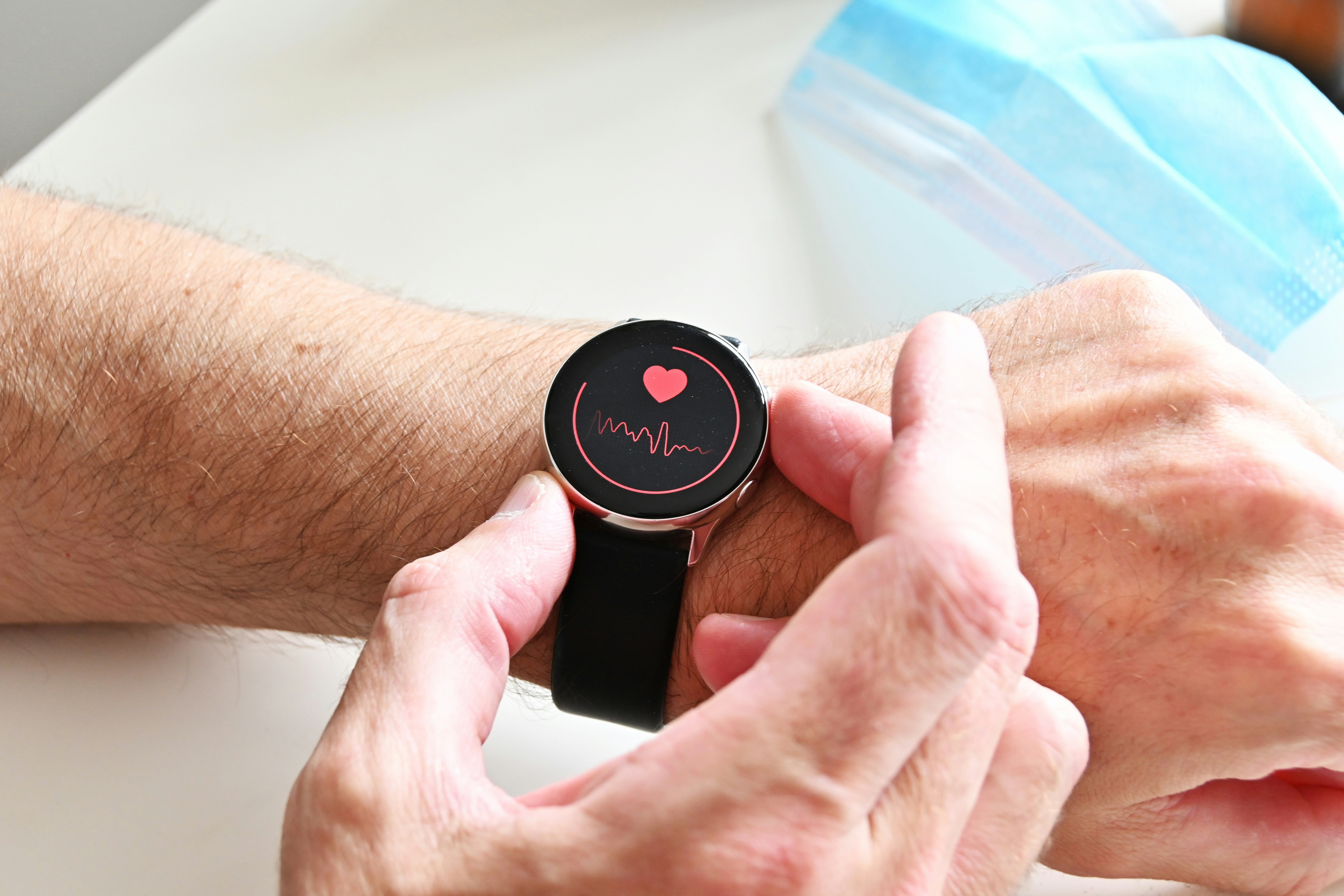
Now, many of us track our sleep and monitor things like heart rate through wearable devices. Some of us carry years of health data around on our phones, thanks to smart watches. We can check our blood pressure at home, and there are companies offering remote blood testing, microbiome analysis, and a growing range of other health assessments.
Access to this level of data can help identify problems early, guide treatment, and give us a clearer picture of what may be happening in the body.
In many ways it’s quite incredible, when you consider the development in the industry over the last twenty years.
Yet, despite having more health information than ever before, many chronic conditions including heart disease, diabetes and cancer are on the rise, which suggests more information doesn’t necessarily translate to better outcomes.
I love data. When its quality can be trusted and it is interpreted properly, it is incredibly valuable. But when it comes to health, there is only so much that numbers on their own can tell us.
Most health measurements are compared with population averages. Those ranges are important, they’re evidence-based, but there are many factors that can influence them. What’s normal and healthy for one person may not be for another.
Take blood pressure as an example. Around 120/80 is considered a typical reading for many adults. My own blood pressure is usually around 110/60 when I’m well and properly hydrated. Anywhere in the region of 120/80, then I’m unwell or under stress.
Another person, even someone one of a similar age and weight, could have a completely different experience. For them, 110/60 might be bring dizziness or make them light-headed.
My point is, context matters. A single reading can tell us something important, but patterns over time, specific to an individual, can tell us so much more.
How we feel cannot be always captured by a device, or test. I know I’ve had mornings when my own device tells me I’ve had an excellent night’s sleep, my recovery score is green, and all the data suggests I’m ready for a demanding day but my body tells me a different story.
Technology is becoming remarkably good at measuring certain aspects of our health, but it cannot experience our lives for us. Skin changes, niggling pains, mental, oral and digestive health are still somewhat out of reach, in terms of reliable personal health monitoring.
So whilst technology has given us an huge advantage over previous generations, it seems we can’t hand over responsibility to our devices just yet. We should be mindful of the numbers, but not so focused that we stop listening to the person living behind them.
How you feel, and what you notice about your own body, is the picture. The data helps colour it in.